Podcasts have quietly become a game-changer for anyone looking to keep learning throughout their life. They offer a super flexible and often free way to absorb new information, skills, and perspectives, fitting easily into even the busiest schedules. This article dives into seven key benefits of educational podcasts, showing how they make lifelong learning not just possible, but genuinely enjoyable and effective.
Accessibility and Flexibility: Learning on Your Own Terms
One of the biggest wins for educational podcasts is how incredibly accessible and flexible they are. You don’t need to sign up for a class, buy expensive textbooks, or even be in a specific location at a specific time. This removes a huge number of barriers that traditionally block people from continuing their education.
Learning While Multitasking
Let’s be real, most of us don’t have hours of uninterrupted time each day to sit down and study. That’s where podcasts shine. You can listen while you’re doing dishes, commuting to work, exercising, or even just waiting in line. This “dead time” suddenly becomes productive learning time. Instead of scrolling through social media, you can be absorbing a lecture on astrophysics or a discussion on historical events. This makes learning an integrated part of your daily routine rather than a separate, scheduled task, which is a huge motivator for consistent engagement. It transforms previously passive activities into active learning opportunities, optimizing your time in a way that traditional educational methods simply can’t match.
Diverse Content for Every Interest and Level
Whatever you’re curious about, there’s almost certainly an educational podcast for it. From deep dives into specific scientific disciplines like neuroscience or quantum physics, to practical skills like coding or personal finance, to explorations of philosophy, history, or linguistics – the breadth is astounding. And it’s not just about academic subjects; you can find podcasts on entrepreneurship, creative writing, mindfulness, gardening, and pretty much anything else you can imagine. This means you can tailor your learning experience precisely to your interests, making it far more engaging and sustainable than being forced into a curriculum that might not resonate with you. Plus, many podcasts cater to different levels, from beginner-friendly introductions to highly specialized, expert-level discussions, ensuring there’s always something new to learn regardless of your current knowledge base.
Free or Low-Cost Learning Resources
Traditional education can be expensive, often prohibitively so. Textbooks, tuition, course fees – it all adds up. Educational podcasts, on the other hand, are overwhelmingly free. Most major podcast platforms offer a vast library of content at no cost. This democratizes education, making high-quality learning materials available to anyone with a smartphone and an internet connection. While some podcasts might offer premium content or ad-free versions for a small subscription fee, the core educational value remains free for the vast majority of listeners. This affordability means that financial constraints are no longer a barrier to exploring new subjects or deepening your understanding of existing ones, allowing for continuous personal and professional development without breaking the bank.
Educational podcasts have gained popularity as a valuable resource for learners of all ages, offering a flexible and engaging way to absorb information. For those interested in exploring the benefits of educational podcasts further, a related article can be found at News from Maestro Sersea, which discusses how these audio programs can enhance learning experiences by providing diverse perspectives and expert insights.
Expert-Led Content and Diverse Perspectives
When you tune into an educational podcast, you’re often getting direct access to experts and thought leaders in their respective fields. This isn’t just someone summarizing information; it’s often the people doing the actual research, teaching the courses, or pioneering new ideas.
Direct Access to Leading Experts
Many educational podcasts feature interviews with academics, scientists, authors, and practitioners who are at the forefront of their fields. This isn’t just reading a textbook written by an expert; it’s hearing them explain complex concepts in their own words, often with nuances and personal insights you wouldn’t get from a written source. For example, you can listen to a Nobel laureate discuss their groundbreaking work, or a renowned historian contextualize current events through the lens of the past. This direct connection to expertise makes the learning experience incredibly rich and authoritative. It allows listeners to absorb knowledge directly from the source, fostering a deeper understanding and appreciation for the subject matter.
Exposure to Multiple Viewpoints
Beyond hearing from a single expert, many podcasts feature panel discussions, debates, or interviews with individuals holding different perspectives on a given topic. This is incredibly valuable for developing critical thinking skills. Instead of being presented with a singular, unchallenged viewpoint, you’re exposed to the complexities and nuances of a subject, learning to weigh different arguments and form your own informed opinions. For instance, a podcast might explore a controversial scientific finding by interviewing researchers from opposing camps, or discuss a historical event through the eyes of various cultural historians. This broadens your intellectual horizon and helps you understand that few issues are truly black and white.
Engaging Conversational Style
Unlike reading a dry academic paper or sitting through a formal lecture, many educational podcasts adopt a conversational, engaging, and often storytelling style. This makes complex topics more approachable and digestible. The hosts might use analogies, humor, or personal anecdotes to illustrate points, making the learning process less daunting and more enjoyable. This informal yet informative approach helps maintain listener attention and makes it easier to retain information. It feels less like studying and more like an interesting chat with knowledgeable friends, which is a powerful tool for sustained engagement in lifelong learning.
Keeping Up-to-Date with Current Knowledge
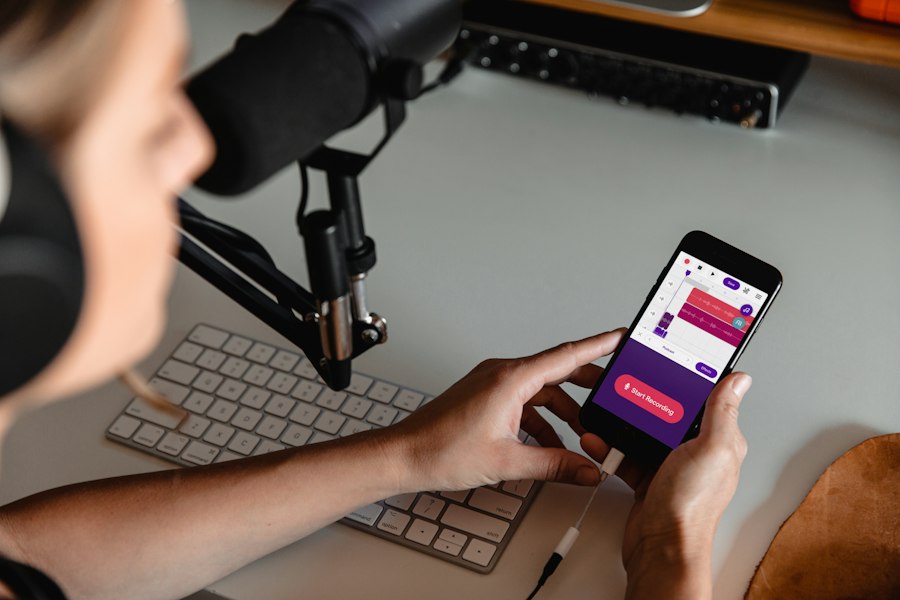
The world is constantly changing, and what was cutting-edge knowledge a few years ago might be outdated today. Educational podcasts are a fantastic tool for staying current in rapidly evolving fields.
Rapid Dissemination of New Research and Discoveries
Academic journals can be slow to publish, and textbooks take even longer to update. Podcasts, however, can react much more quickly. When a new scientific discovery is made, a significant historical event unfolds, or a new technological breakthrough emerges, podcasts can feature interviews with the researchers or commentators within days or weeks. This means you can stay on top of the latest developments in your field of interest or even learn about entirely new areas as they emerge, often directly from the people involved. This real-time access to new information is invaluable for professionals and curious learners alike, ensuring your knowledge base remains fresh and relevant.
Insights into Emerging Trends
Beyond specific discoveries, many educational podcasts focus on broader trends in various industries, technologies, or societal movements. They can offer forward-looking analyses, discuss potential impacts, and explore the implications of new ideas. For example, a tech podcast might delve into the future of artificial intelligence, or a business podcast might explore new economic models. This foresight is crucial for career development, strategic planning, and simply understanding the direction the world is heading. It allows listeners to anticipate changes and adapt their skills and understanding accordingly, making them more resilient and informed.
Continuous Professional Development
For many professionals, staying current isn’t just a good idea; it’s a requirement. Educational podcasts offer a convenient and often free way to fulfill continuing education needs. Whether you’re in healthcare, technology, marketing, or education, there are podcasts that provide updates on best practices, new regulations, innovative tools, and evolving theories. This informal professional development can complement formal training, helping you maintain your expertise and competitive edge in your field without the time and cost commitments of traditional courses. It’s an efficient way to keep your skills sharp and your knowledge base robust.
Enhanced Understanding and Critical Thinking
Listening to information, rather than just reading it, can activate different parts of your brain and deepen your understanding. The format of podcasts also lends itself well to fostering critical thinking.
Active Listening and Engagement
While it might seem passive, listening to a complex educational podcast requires active engagement. You’re not just scanning text; you’re following an argument, synthesizing information as it’s presented, and often visualizing concepts in your mind. This active listening can improve your concentration and comprehension skills. Many podcasts also pose questions or present ideas that encourage you to reflect and form your own conclusions, making the learning process more interactive, even without a direct back-and-forth. This mental workout strengthens your ability to process and retain auditory information effectively.
Deeper Dives and Contextualization
Podcasts aren’t bound by word counts or page limits in the same way articles or books are. This allows hosts and guests to explore topics in much greater depth, providing extensive background information, exploring nuances, and offering multiple examples. They can spend significant time contextualizing complex ideas, tracing their historical development, or discussing their societal implications. This contrasts with quick-hit articles that often only scratch the surface, providing a more holistic and comprehensive understanding of the subject matter. This thoroughness ensures listeners grasp the full scope and significance of what they’re learning.
Fostering Critical Analysis and Evaluation
A good educational podcast doesn’t just present facts; it often encourages critical thinking. Hosts might challenge assumptions, present conflicting evidence, or invite listeners to consider alternative interpretations. When you’re exposed to different viewpoints and detailed discussions, you naturally start to analyze the information more critically. You learn to identify biases, evaluate the strength of arguments, and distinguish between evidence-based claims and speculation. This skill is invaluable not just for academic pursuits but for navigating information in daily life and making informed decisions. It equips listeners with the mental tools to question, analyze, and synthesize information independently.
Educational podcasts have become an increasingly popular resource for learners of all ages, offering a flexible and engaging way to absorb new information. They provide the opportunity to explore a variety of subjects while multitasking, making learning more accessible than ever. For those interested in understanding the broader impact of such resources, a related article discusses the benefits of educational podcasts in detail. You can read more about it here.
Inspiration and Personal Growth
| Benefit | Description | Metric/Example |
|---|---|---|
| Improved Retention | Listening to educational content helps reinforce learning through auditory engagement. | Studies show up to 60% retention rate compared to 10% from reading alone. |
| Accessibility | Podcasts can be accessed anytime and anywhere, making learning flexible. | Over 70% of podcast listeners consume episodes during commutes or workouts. |
| Enhanced Multitasking | Allows learners to absorb information while performing other tasks. | 50% of users report learning while doing chores or exercising. |
| Diverse Perspectives | Podcasts often feature experts and varied viewpoints, enriching understanding. | 80% of educational podcasts include guest speakers or interviews. |
| Cost-Effective Learning | Most educational podcasts are free, reducing barriers to quality education. | 90% of popular educational podcasts are available at no cost. |
| Improved Listening Skills | Regular podcast listening enhances comprehension and critical listening abilities. | Listeners report a 30% improvement in active listening skills over 6 months. |
Beyond acquiring knowledge and skills, educational podcasts can be a powerful source of inspiration, fostering curiosity and encouraging personal development in broader ways.
Sparking New Interests and Curiosities
You might tune into a podcast expecting to learn about one thing, only to find yourself captivated by a tangential topic mentioned during the discussion. Educational podcasts often act as gateways to entirely new areas of interest. A history podcast might ignite a passion for ancient civilizations, or a science podcast might spark an interest in astronomy. This serendipitous discovery of new passions can lead to further exploration, new hobbies, or even career shifts, expanding your horizons in unexpected and exciting ways. They serve as a constant reminder of the vastness of human knowledge and the endless possibilities for learning.
Cultivating a Growth Mindset
Regularly engaging with educational podcasts reinforces the idea that learning is a continuous journey, not something that ends after formal schooling. This consistent exposure to new ideas and expert insights helps cultivate a growth mindset – the belief that your abilities and intelligence can be developed through dedication and hard work. Hearing stories of scientific breakthroughs, creative problem-solving, and personal resilience can be incredibly motivating, encouraging you to embrace challenges and see failures as opportunities for learning. It’s a subtle but powerful shift in perspective that benefits all areas of life.
Personal Development and Self-Improvement
Many educational podcasts focus directly on personal development, offering practical advice and research-backed insights on topics like productivity, mindfulness, emotional intelligence, relationship skills, and financial literacy. These aren’t just academic exercises; they provide actionable strategies you can apply to improve your life. Whether it’s learning better communication techniques, understanding psychological principles for stress management, or developing healthier habits, podcasts offer a convenient and accessible platform for self-improvement that can lead to significant positive changes in your personal and professional life. They empower individuals to take an active role in shaping their own well-being and capabilities.
Educational podcasts have gained popularity as an effective tool for enhancing language skills and knowledge retention. They offer a flexible and engaging way to learn, allowing listeners to absorb information while multitasking or commuting. For those looking to improve their English listening skills, a related article discusses various strategies and resources that can be beneficial. You can explore more about this topic in the article on how to enhance your listening abilities by visiting this guide. By incorporating podcasts into your learning routine, you can significantly boost your comprehension and fluency.
Community and Connection
While often a solitary activity, listening to podcasts can surprisingly foster a sense of community and connection with others who share similar interests.
Shared Learning Experiences
When you listen to a popular educational podcast, you’re often part of a much larger audience. This shared experience can create a sense of belonging. You might discuss episodes with friends or colleagues who also listen, or join online communities (like Reddit forums or Facebook groups) dedicated to the podcast. This shared understanding of complex topics or specific insights from an episode can be a fantastic conversation starter and a way to bond with like-minded individuals. It turns what could be an isolated learning journey into a communal one.
Interaction with Creators and Fellow Listeners
Many podcast creators actively engage with their audience. They might answer listener questions on air, solicit feedback for future topics, or host Q&A sessions. This direct line to the experts and creators makes the learning experience feel more personal and interactive. Furthermore, the comment sections on podcast platforms or dedicated social media groups allow listeners to discuss episodes, share their own insights, ask questions of each other, and even debate different interpretations. This fosters a vibrant ecosystem of shared knowledge and mutual learning that extends beyond the audio itself.
Convenience and Portability
The sheer convenience of podcasts, coupled with their incredible portability, makes them an unbeatable tool for lifelong learners in our modern, on-the-go world.
Learning On-the-Go
As mentioned, the ability to listen while commuting, exercising, or performing chores is a massive benefit. But it’s more than just multitasking. It means your learning environment is no longer confined to a classroom or a desk. Your smartphone or dedicated podcast player becomes your portable university, allowing you to learn literally anywhere and at any time. This flexibility removes geographical and temporal constraints, making education truly ubiquitous. Whether you’re traveling, hiking, or just relaxing in your backyard, your next lesson is always within reach.
Offline Access and Data Efficiency
Many podcast apps allow you to download episodes to listen offline. This is incredibly useful for situations where you don’t have an internet connection, like on an airplane, in a subway, or in areas with poor signal. It also helps manage data usage, as you can download episodes over Wi-Fi and then listen without consuming your mobile data plan. This practical feature ensures that learning isn’t interrupted by connectivity issues and remains accessible even in remote or data-scarce environments.
Minimal Equipment Required
You don’t need fancy gadgets to start learning with podcasts. A smartphone, tablet, or computer and a pair of headphones are usually all you need. Most podcast apps are free to download and use. This low barrier to entry means that almost anyone can access this wealth of educational content without significant upfront investment. This simplicity makes podcasts an inclusive and practical resource for anyone looking to expand their knowledge base without financial or technological hurdles.
FAQs
What are educational podcasts?
Educational podcasts are audio programs designed to inform and educate listeners on various topics, ranging from science and history to personal development and technology. They often feature expert interviews, discussions, and storytelling to engage the audience while providing valuable information.
How can educational podcasts enhance learning?
Educational podcasts can enhance learning by providing accessible content that can be consumed on-the-go. They allow listeners to absorb information at their own pace, reinforce concepts through repetition, and explore diverse perspectives from experts in the field, making learning more engaging and effective.
Are educational podcasts suitable for all age groups?
Yes, educational podcasts are suitable for all age groups. There are podcasts tailored specifically for children, teenagers, and adults, covering a wide range of topics and complexity levels. This makes them a versatile learning tool for anyone interested in expanding their knowledge.
What are the benefits of listening to educational podcasts compared to traditional learning methods?
Listening to educational podcasts offers several benefits over traditional learning methods, including flexibility in learning schedules, the ability to multitask while listening, and the opportunity to hear from a variety of voices and experiences. Additionally, podcasts can make learning more enjoyable and less formal, which can enhance retention and understanding.
How can one find quality educational podcasts?
Quality educational podcasts can be found through various platforms such as Apple Podcasts, Spotify, and Google Podcasts. Users can search for specific topics, read reviews, and check ratings to find reputable shows. Additionally, many educational institutions and organizations produce their own podcasts, which can be a reliable source of quality content.
About the Author