
It can be super frustrating when a song grabs you, but the words just turn into a muddled mess. If you’ve ever found yourself humming along, completely clueless about what the artist is actually saying, you’re not alone. Getting those lyrics to click isn’t always about turning up the volume; it’s about a combination of focused listening techniques and sometimes a little bit of external help. Let’s dive into some practical ways to get a clearer handle on those elusive words.
Gear Up for Better Listening
Sometimes, the simplest changes in your listening environment or equipment can make a world of difference in lyric clarity. It’s not about expensive setups, but rather optimizing what you’ve got.
1. Invest in Decent Headphones or Earbuds
Seriously, this is probably the biggest game-changer. Those tiny earbuds that came free with your phone? They’re often designed for convenience, not audio fidelity. Higher-quality headphones or earbuds, even mid-range ones, tend to offer better separation of instruments and vocals. This means the singer’s voice won’t get as lost in the bass or instrumentation. Look for options with good reviews for vocal clarity, and consider over-ear headphones for a more immersive experience that blocks out external noise. You don’t need studio-grade equipment, but stepping up from basic options can really improve the soundstage and make lyrics pop.
2. Find a Quiet Listening Environment
This one seems obvious, but it’s often overlooked. Trying to decipher lyrics on a busy street, in a noisy office, or with background TV chatter is a losing battle. External noise competes directly with the music, forcing your brain to work harder to filter out distractions. Carve out some dedicated “listening time” in a quiet room. If a completely silent space isn’t an option, noise-canceling headphones (see point 1) can be a lifesaver, creating a personal sonic bubble where you can focus solely on the music. The less your brain has to process external sounds, the more resources it can allocate to understanding the subtle nuances of the vocals.
3. Adjust EQ Settings (If Available)
Many music players, streaming apps, and even some headphones offer equalizer (EQ) settings. While it might seem intimidating, a simple adjustment can significantly boost vocal presence. Often, boosting frequencies in the mid-range (around 1kHz to 4kHz) can bring vocals forward, making them sound clearer and less buried. Conversely, slightly reducing bass or treble can prevent them from overpowering the vocals. Play around with presets like “Vocal Boost” or “Acoustic,” or experiment with manually adjusting the sliders. A small tweak here can reveal lyrics you didn’t even know were there. Just be mindful not to overdo it, as it can make the music sound unnatural.
If you’re interested in enhancing your music listening experience by focusing on lyrics, you might find this article helpful: Welcome to News from Maestro Sersea. It offers insights into the importance of understanding song lyrics and how they can deepen your appreciation of music.
Active Listening Techniques

Beyond the technical setup, how you approach listening makes a massive difference. This isn’t just passive background noise; it’s about engaging with the song on a deeper level.
4. Focus on One Part of the Song at a Time
When you first hear a song, your brain tries to process everything: melody, rhythm, instruments, vocals. This can be overwhelming. Try dedicating a listen solely to the vocals. Close your eyes and pretend the lead singer is the only person performing. Tune out the drums, the guitar, the bass – just follow the vocal line. You might be surprised how much clearer the words become when you give them your undivided auditory attention. Repeat this process for different sections: focus on the verse, then the chorus, then the bridge. Breaking it down makes it less daunting.
If you’re looking to enhance your music experience, understanding how to listen to music lyrics can be incredibly beneficial. Engaging with the lyrics allows you to connect more deeply with the song’s message and emotion. For further insights on this topic, you might find this article helpful, as it explores various techniques to appreciate lyrics more fully. Check it out here to discover tips that can elevate your listening experience.
5. Listen Multiple Times
Rarely do we catch every single lyric on the first pass, especially with complex or fast-paced songs. The more you listen to a song, the more familiar your brain becomes with its structure, rhythm, and vocal patterns. Each subsequent listen allows you to pick up new details. Your brain will start to anticipate phrases and words, making them easier to discern. Don’t be afraid to put a song on repeat a few times, specifically with the intention of understanding the lyrics. You’ll move from just hearing sounds to recognizing patterns and eventually, specific words.
6. Pay Attention to Phrasing and Rhythmic Delivery
Lyrics aren’t just words; they’re delivered with rhythm and melody. Sometimes, understanding how an artist phrases their words – where they pause, where they emphasize, how they stretch or shorten syllables – can give clues to what they’re saying. For instance, a word might be hard to catch on its own, but when you hear the rhythm of the surrounding words, it becomes clearer. Notice if a singer uses a particularly fast or slow delivery, or if they have a distinctive accent. These elements are part of the vocal performance and can help contextualize the sounds you’re hearing into actual words.
Leveraging External Resources
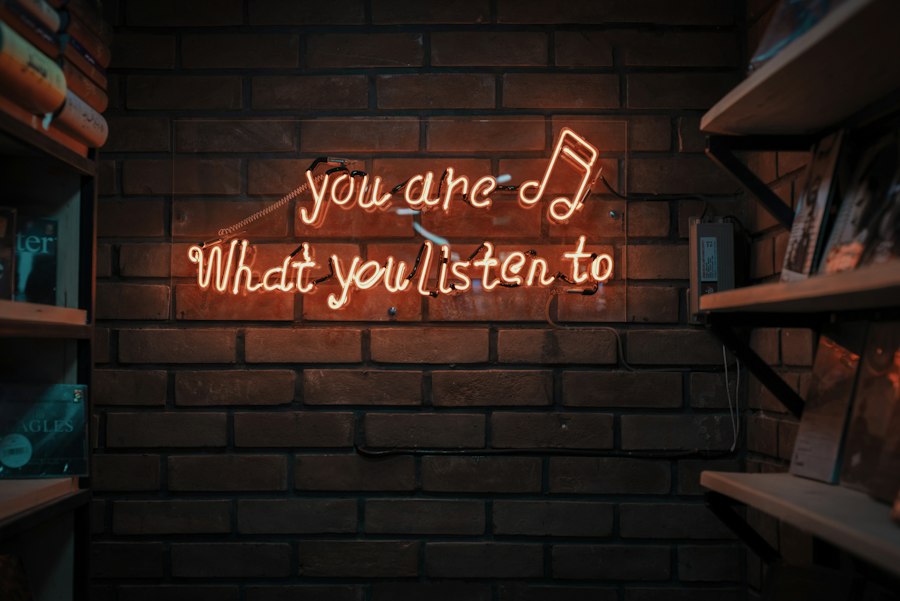
Sometimes, even with the best equipment and focused listening, you need a little help. The internet is a treasure trove of resources for understanding song lyrics.
7. Look Up Lyrics Online (While Listening)
This is a powerful combination. Find a reputable lyric website (like Genius, Lyrics.com, or official artist sites) and read along as the song plays. Your ears hear the sounds, and your eyes see the words. This immediate visual confirmation helps your brain connect the auditory input to the correct spelling and meaning. It’s like having subtitles for your music. Do this a few times, and you’ll find that you start to recognize those words purely by ear on subsequent listens. It’s a fantastic way to train your brain to differentiate between similar-sounding words or to catch mumbled phrases.
8. Watch Live Performances or Lyric Videos
Live performances can offer a huge advantage. Often, artists articulate more clearly in a live setting, or the sound mix might favor the vocals more than a studio recording. Plus, seeing the artist’s mouth movements can provide visual cues that aid comprehension. Lyric videos, as the name suggests, display the lyrics on screen, usually synchronized with the music. This offers the same benefit as looking up lyrics online but in a more dynamic and integrated format, often with animations or visuals that can enhance the experience.
9. Slow Down the Playback Speed
Many music apps and YouTube allow you to adjust the playback speed. If a song is particularly fast, slowing it down to 0.75x or even 0.5x can make a world of difference. This gives your brain more time to process individual words and sounds, making them less of a jumbled rush. Once you’ve caught the lyrics at a slower speed, you can gradually increase it back to normal, and you’ll often find that your understanding has significantly improved even at the original tempo. It’s like a focused practice session for your ears.
Context and Deeper Understanding
Understanding lyrics isn’t just about hearing the words; it’s about grasping their meaning and context within the song and the artist’s broader work.
10. Research the Song’s Meaning and Context
Sometimes, individual words might be clear, but their meaning still eludes you. This is where a little research can fill in the gaps. Many lyric websites (like Genius) offer annotations and interpretations submitted by users or even the artists themselves. Understanding the story behind the song, the artist’s influences, the cultural context, or even specific slang terms used can unlock the meaning of difficult lines. When you understand the intent behind the words, the words themselves often become clearer. It’s about moving beyond just decoding sounds to comprehending the message. Knowing the emotional weight or narrative direction of a verse can make a previously ambiguous phrase suddenly make perfect sense. This deeper dive often makes the music even more enjoyable, as you connect with the artist’s message on a more profound level.
FAQs
What are the best ways to find song lyrics online?
There are several reliable websites and apps where you can find song lyrics, such as Genius, AZLyrics, and MetroLyrics. Additionally, many music streaming services like Spotify and Apple Music often provide lyrics alongside the songs. You can also use search engines by typing the song title followed by “lyrics” to quickly locate the text.
How can I improve my understanding of song lyrics?
To improve your understanding of song lyrics, try reading the lyrics while listening to the song. This helps you connect the words with the music. Additionally, consider looking up the meaning behind the lyrics or the artist’s intent, as many songs have deeper themes or stories that enhance comprehension.
Are there any tools to help me analyze song lyrics?
Yes, there are various tools and websites designed for lyric analysis. Websites like Genius offer annotations and interpretations from users and artists, providing context and deeper meanings. Additionally, apps like Musixmatch can display lyrics in real-time and offer translations for non-English songs.
Can I listen to music lyrics in different languages?
Yes, many music streaming platforms offer songs in various languages, and you can often find translations of the lyrics. Websites like LyricFind provide multilingual lyrics, and some apps allow you to switch between original lyrics and translations, helping you understand songs in different languages.
What should I do if I can’t find the lyrics to a specific song?
If you can’t find the lyrics to a specific song, try searching for the song title along with key phrases or lines you remember. You can also check fan forums or social media groups dedicated to the artist, as fans often share lyrics. If all else fails, consider reaching out to the artist’s official website or social media for assistance.
About the Author